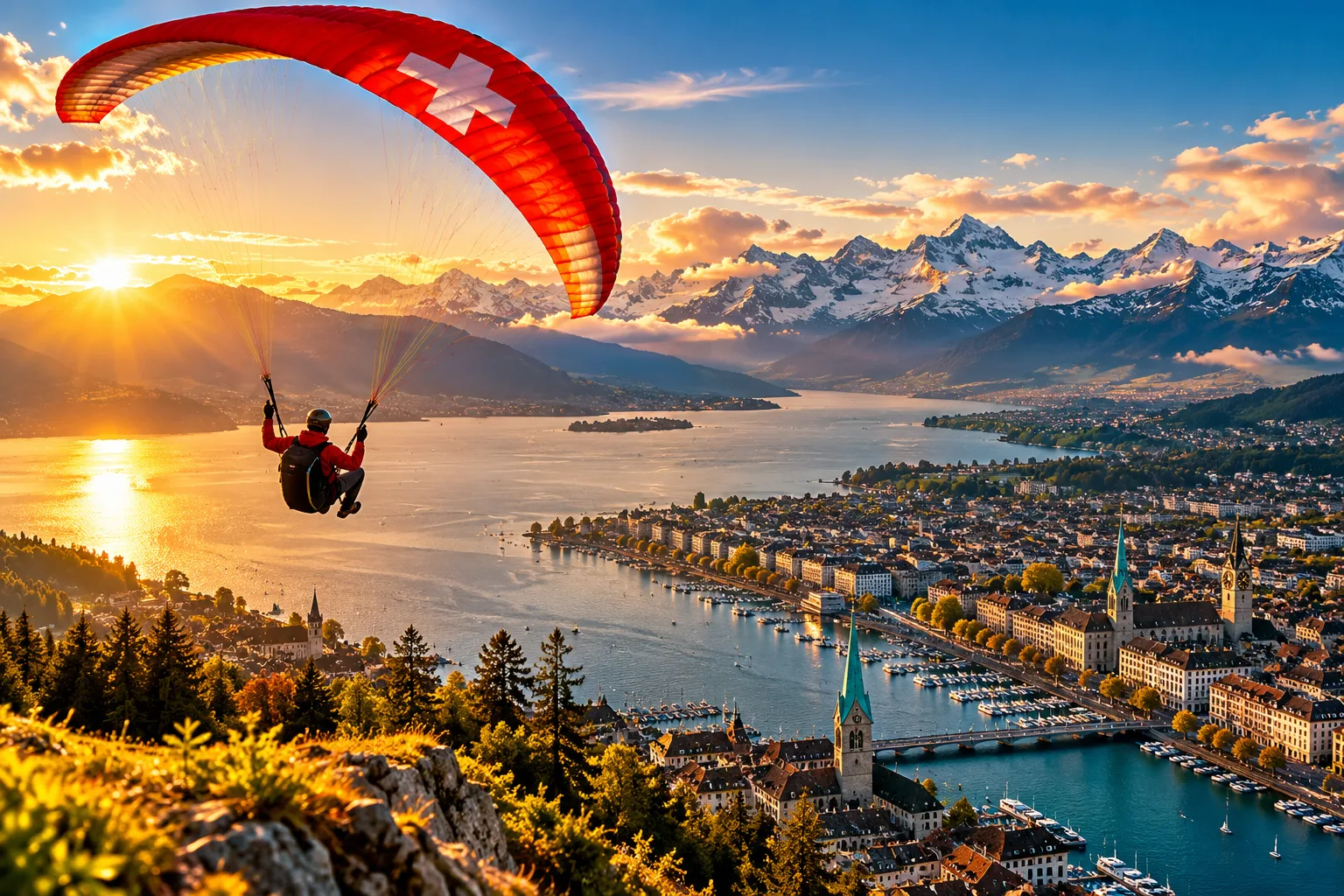
Tourism in Austria breaks records as drought reshapes the Alps: How much longer can Europe’s paradise endure?
Austria is enjoying a record summer season as drought and heat pressure farming, water supplies and the future of Alpine tourism.
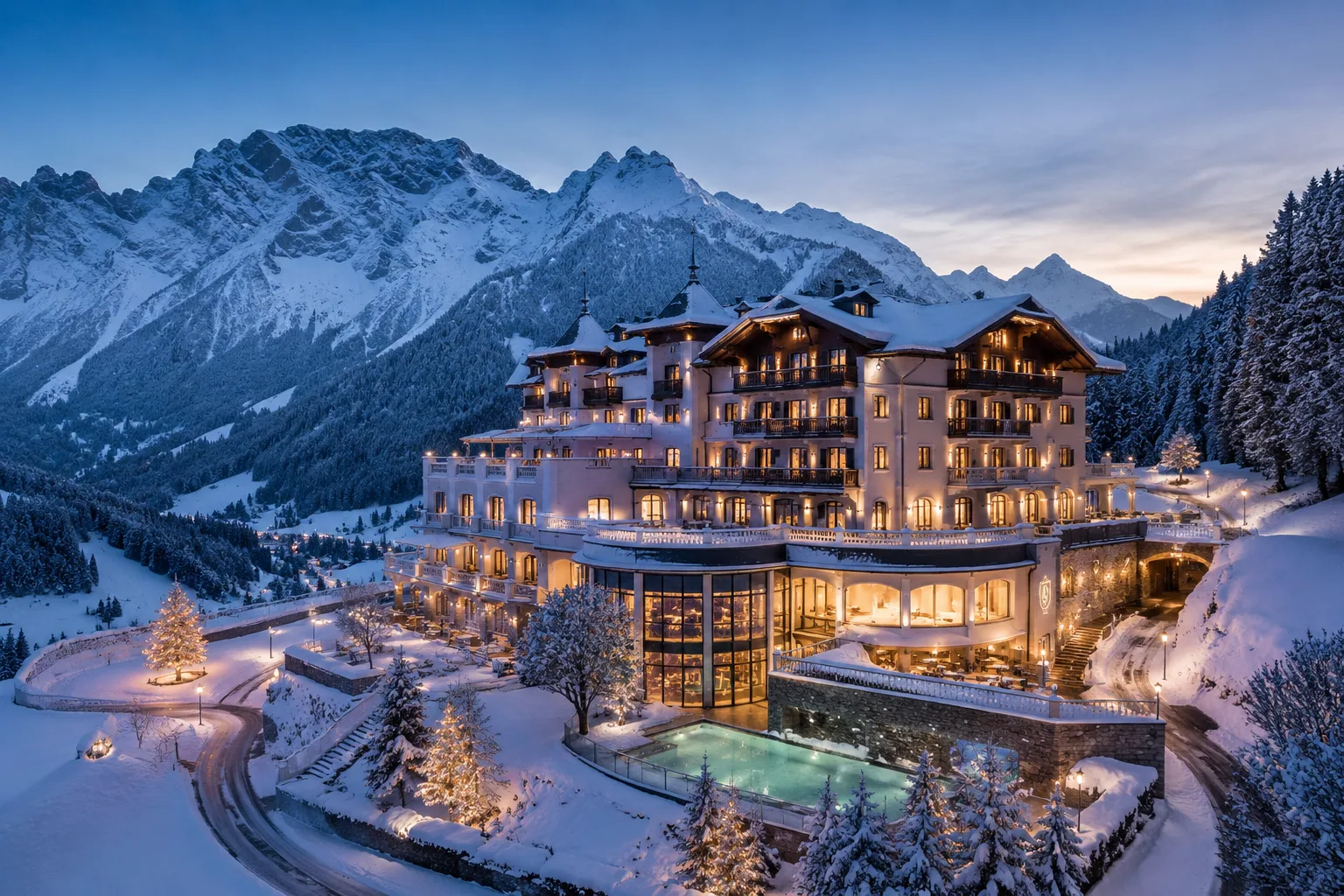
Austrian hotels are welcoming record numbers of guests this summer. In the fields, the picture is entirely different. While tourism fills the tills, extreme heat and water shortages are increasingly threatening the very things that draw millions of people to Austria.
Austria is living through two realities this summer.
In one, hotels are full, cities are lively and mountain resorts attract ever more visitors. In the other, the soil is dry, crops are at risk and the struggle for water is turning into one of Europe’s most important resource questions.
According to the latest data published by Statistics Austria, 41.87 million overnight stays were recorded from May to July 2026. That was 3.2 percent more than in the same period a year earlier and the best result since electronic records began in 1973.
July alone brought 19.46 million overnight stays. Guest arrivals increased by 9.3 percent.
Austria is no longer only a winter tourism destination. It is becoming a summer refuge for Europeans trying to escape unbearable temperatures in the south of the continent. Instead of scorching coastlines, they choose Tyrol, Salzburg, Carinthia, alpine lakes and cities where summer can still be enjoyed without constantly searching for air conditioning.
But that advantage has an expiry date.
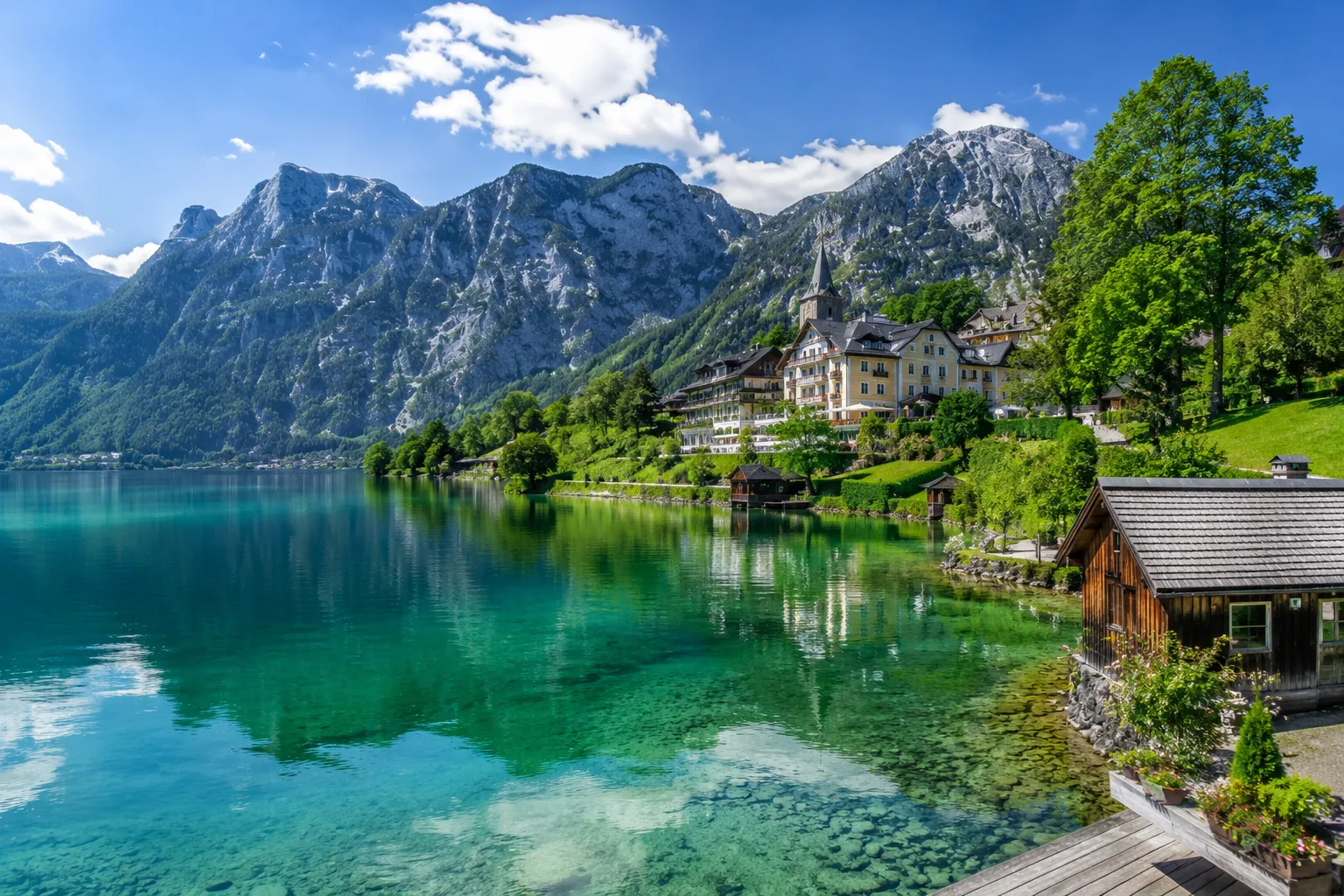
A record with a growing shadow
The latest report from the European Commission’s Joint Research Centre warns that high temperatures and severe water shortages have hit summer crops hard across central and western Europe.
Austria is listed among the countries suffering serious consequences from heat stress and insufficient rainfall. Crops that were in crucial flowering and yield formation stages during the most intense heat were particularly affected.
Across the European Union, yield forecasts for some summer crops were cut to as much as 14 percent below the five year average. In the worst affected areas, there is also a risk of total crop failure.
Data from the European Drought Observatory show that critical conditions also affected parts of Austria during August, especially the wider Danube and Alpine regions.
This is no longer only a problem for farmers. Lower yields mean pressure on food prices, greater dependence on imports and new costs for households. At the same time, millions of tourists increase demand from hotels, restaurants, swimming pools and local infrastructure.
When success becomes a warning
Austrian tourism is currently benefiting from the climate problems of other countries. Yet the same process bringing visitors to the Alps is beginning to change the Alps themselves.
Warmer lakes, drier forests, threatened agriculture and rising water consumption could alter Austria’s image as an orderly, green and pleasantly cool destination. The tourism record is therefore not merely a story of economic success. It is a test of how quickly the country can adapt its infrastructure to new climate conditions.
For GlobalTalent24, this story carries particular weight. Climate change is no longer a distant subject reserved for scientific conferences. It already affects jobs, business opportunities, living costs and the decisions of people building their future in Austria.
Austria is not short of guests this summer. What it may lack in the years ahead is far more precious: water, shade and the famous Alpine freshness that brings everyone here.
Official sources
Statistics Austria · European Commission Joint Research Centre · European Drought Observatory