The Hidden Cost of Europe's Labor Shortage: Why Unfilled Jobs Are Becoming a Business Risk
Europe's labor shortage is reshaping business strategy as employers face rising costs, slower growth, and increasing competition for skilled workers.
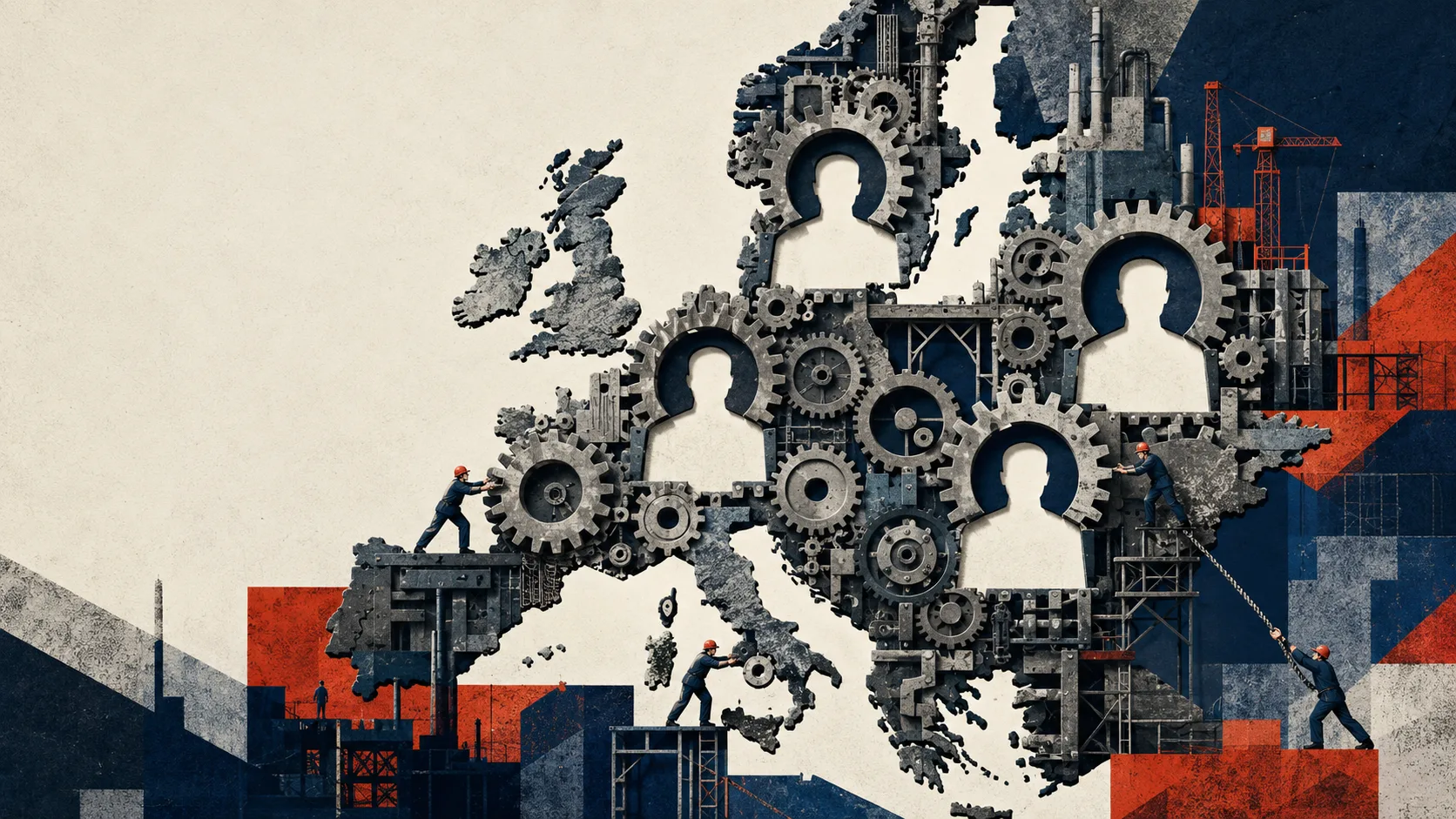
Europe's labor shortage is no longer just an HR concern. It has become a business challenge that affects productivity, profitability, and long-term growth across industries.
For many companies, the issue is no longer whether jobs are available, but whether qualified people are available to fill them. As labor shortages persist across sectors such as healthcare, manufacturing, logistics, construction, and hospitality, businesses are being forced to rethink how they attract, hire, and retain talent.
The consequences extend far beyond recruitment. Every unfilled position has the potential to slow operations, increase costs, and limit a company's ability to respond to new opportunities.
The Cost of an Empty Position
Vacancies rarely exist in isolation. When critical roles remain open, existing employees often absorb additional responsibilities, leading to heavier workloads, longer hours, and increased pressure across teams. Over time, this can reduce productivity, affect employee well-being, and increase staff turnover.

The impact is even greater in industries where day-to-day operations depend on having the right number of skilled workers. A shortage of employees can delay construction projects, reduce manufacturing output, disrupt logistics, or limit the capacity of healthcare providers and hospitality businesses to meet customer demand.
For employers, the financial cost of leaving a position unfilled often exceeds the cost of hiring the right person.
A Long-Term Shift in the Labor Market
Unlike temporary recruitment challenges caused by economic cycles, Europe's labor shortage reflects broader structural changes in the labor market.
Demographic trends, changing workforce expectations, and growing demand for specialized skills are creating sustained pressure on employers across the continent. In many regions, businesses are competing for the same limited pool of qualified candidates, making recruitment slower, more expensive, and increasingly unpredictable.
As a result, hiring is no longer simply an operational task. It has become a strategic function that directly influences business performance.
Why Businesses Are Looking Beyond Domestic Talent
Faced with persistent labor shortages, many employers are expanding their recruitment efforts beyond national borders. International hiring is becoming part of long-term workforce planning rather than a short-term response to urgent vacancies.
Accessing a wider talent pool allows businesses to fill essential roles, maintain operational stability, and continue growing despite local labor market constraints. However, successful international recruitment depends on transparent hiring practices, compliance with employment regulations, and effective support for employees relocating to a new country.
Companies that invest in these processes are often better positioned to build resilient teams and adapt to changing market conditions.
A Competitive Advantage for the Future
The businesses that will succeed in the years ahead are unlikely to be those that simply react to labor shortages as they arise. Instead, they will be the organizations that treat workforce planning as a core business strategy.
Building sustainable recruitment pipelines, investing in long-term talent acquisition, and remaining open to international professionals can help employers reduce hiring risks while strengthening their ability to grow.
Europe's labor shortage is not expected to disappear overnight. For companies willing to adapt, however, it also presents an opportunity to rethink traditional recruitment models and build stronger, more diverse, and future-ready workforces.