EU, EFTA and Schengen: Who Can Actually Work in Europe?
Schengen makes travel easier, but it does not automatically grant the right to work. Learn how the rules differ for EU, EFTA and non-EU/EFTA nationals.

When people talk about working in Europe, one of the most common mistakes is treating three different concepts as if they were the same: the European Union, EFTA countries and the Schengen Area. Schengen makes travel easier and removes routine checks at many internal borders. It does not, however, automatically give someone the right to work.
In other words, being able to enter the Schengen Area as a tourist does not mean you can immediately take a job. The right to work depends on citizenship, residence status, the type of permit you hold and the rules of the country where you want to work.
EU citizens can generally work in another EU member state without a work permit, either as employees or as self-employed workers. They are also entitled to equal treatment regarding pay, working conditions, social and tax advantages, and workplace protection. Similar rules apply to citizens of Iceland, Norway and Liechtenstein because these EFTA countries are part of the European Economic Area.
Switzerland is a special case. It is a member of EFTA but not part of the European Economic Area. Employment rights between the EU and Switzerland are governed by a separate agreement on the free movement of persons, which allows EU and Swiss citizens to live and work in each other's territories under certain conditions.
For nationals of countries outside the EU and EFTA, the rules are different. A short-stay Schengen visa or visa-free stay generally allows travel for up to 90 days in a 180-day period, but it is not a work permit. Employment usually requires a national work and/or residence permit from the country where the job will be performed. Permission to stay in one Schengen country does not automatically give you the right to work in another.
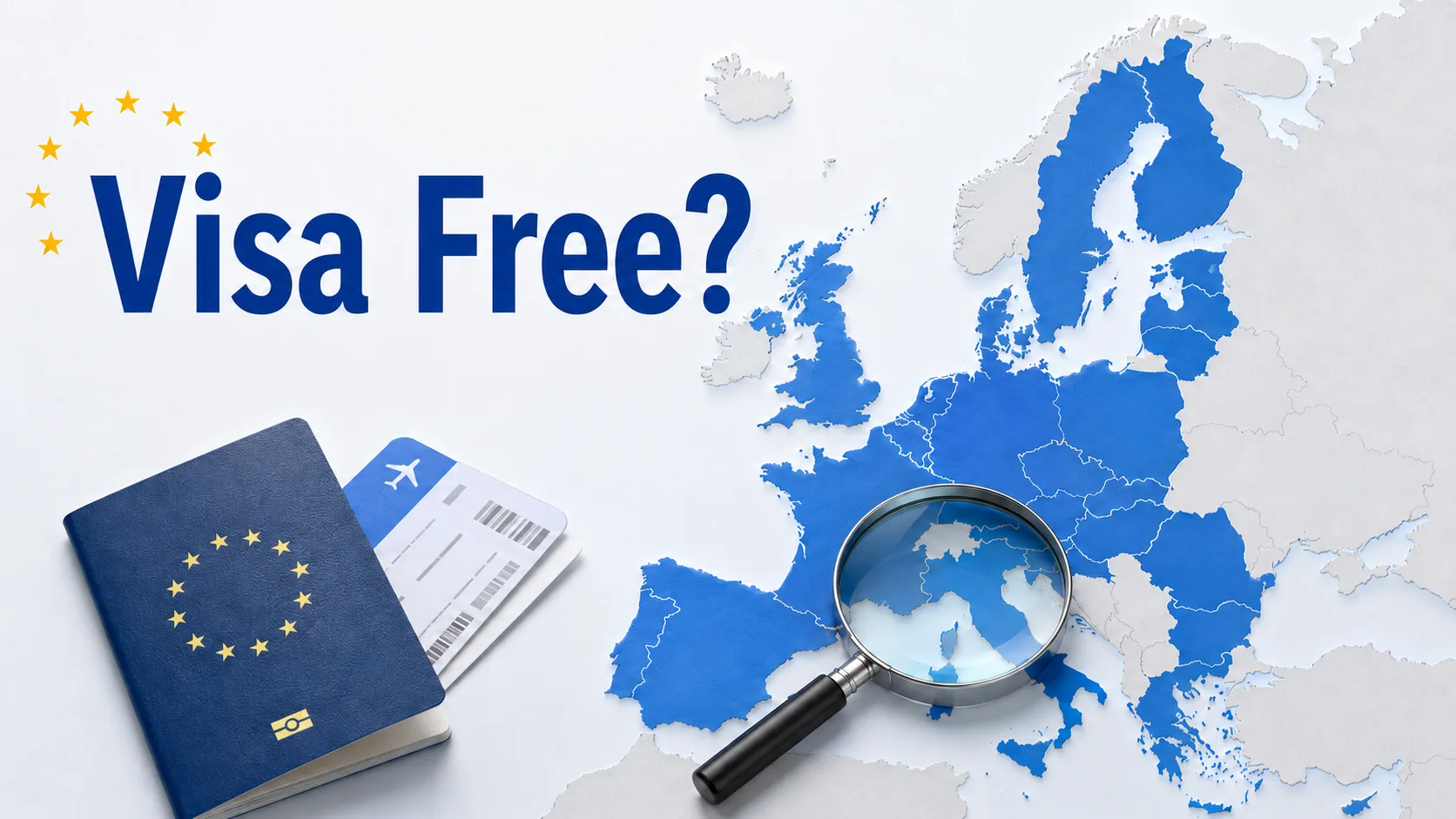
It is also important to remember that every country has its own procedures. Some professions require recognition of qualifications or a professional license, particularly in healthcare, education, transport, engineering and other regulated fields. Different rules may also apply to seasonal workers, highly qualified candidates, family members of EU citizens and people who already hold residence status in a European country.
Before applying for a job, check the essentials: whether you need a visa, whether you need a work permit, who must submit the application, how long the process may take and whether the employer is permitted to hire a candidate from abroad.
Through the GlobalTalent24 magazine, we want to make these rules easier to understand for people looking for work in the European Union and Switzerland. Our goal is to make the first step easier, provide clear and reliable information, and help candidates better understand the European labor market, employment requirements and realistic opportunities to work abroad.
Register with GlobalTalent24 and follow our magazine. We will regularly cover topics that matter to international candidates, including work and residence permits, in-demand occupations, job applications, resumes, interviews and preparation for working abroad.
Europe's labor market offers many opportunities, but the rules are not the same for everyone. That is why accurate information can make the difference between a costly mistake and a successful start.
Note: Official information for this article was based on materials from the European Commission, EFTA and official Swiss institutions covering free movement of persons, employment and Schengen rules.